

Make Accessibility Part of Your Digital DNA: Meet the nextpertis Accessibility Testing Service
nextpertis GmbH is pleased to introduce its new accessibility testing service. We help organizations identify barriers in their digital products and take practical steps toward more inclusive websites and applications.
A website or app may work well for some people while being difficult or even impossible for others to use. People with visual, auditory, motor, or cognitive disabilities may rely on assistive technologies or need different ways to navigate and understand content. Temporary situations can create similar challenges, too: everyone can experience temporary disability due to incident or injury.
Accessibility testing helps uncover these barriers so organizations can address them. The result is a better experience for more people, stronger trust in your digital services, and support for meeting applicable legal requirements.
What accessibility means in practice
An accessible digital experience allows people to find, understand, navigate, and use content and features. That could mean providing clear headings, sufficient color contrast, descriptive labels, keyboard navigation, and compatibility with screen readers.
Accessibility is not only a technical issue. It affects whether people can complete everyday tasks such as finding information, making a purchase, or accessing a service independently.
Why standards and regulations matter
Accessibility standards give organizations a consistent way to assess digital products and identify barriers. They describe what accessible content and functionality should provide, while regulations make accessibility a legal responsibility for many organizations.
In the European Union, EN 301 549 sets accessibility requirements for information and communication technology products and services. It incorporates the Web Content Accessibility Guidelines (WCAG) for web content. In Austria, the Accessibility Act (BaFG) implements the European Accessibility Act (EAA) for covered products and services. Which obligations apply depends on the organization and the service it provides, so it is important to understand the relevant requirements for your situation.
Non-compliance can have financial and legal consequences. A clear understanding of the standards helps organizations identify what needs to be tested, plan improvements, and avoid relying on assumptions.
WCAG includes many testable success criteria across different levels. Applying them correctly takes more than running an automated scan: teams need to understand what each requirement means in practice and how it relates to real user journeys.
Why accessibility testing matters
Automated tools can quickly detect some issues, such as missing labels or certain contrast problems. But they cannot assess every barrier or determine whether a service is genuinely understandable and usable. Manual testing and specialist knowledge are essential for evaluating how people navigate, interpret, and interact with a digital product.
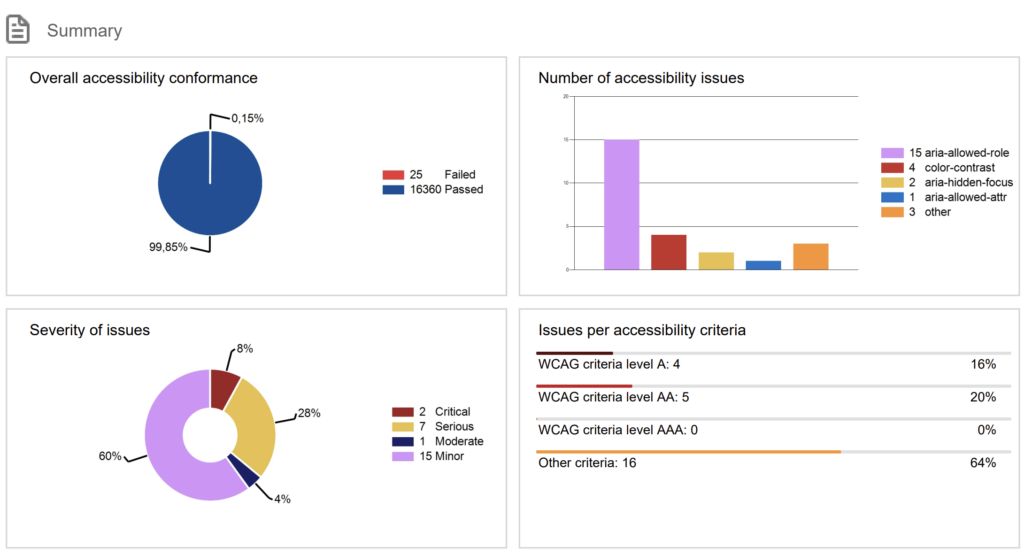
Testing helps teams find problems before they affect customers, prioritize fixes, and reduce the cost of addressing issues late in development. It can also help build confidence in your services and make them usable by a broader audience.
Our continuous approach to accessibility
nextpertis makes accessibility part of your quality assurance process, not just a final check before release.
First, we work with your team to define what needs to be tested, which requirements apply, and which pages and user journeys are most important. Then we combine automated checks with structured manual testing. This helps us identify issues that tools can detect as well as barriers that require expert review.
We encourage teams to consider accessibility early in requirements, design, and development. Accessibility is a shared responsibility, so we work with product owners, designers, developers, content teams, and testers.
Our testing is based on relevant WCAG requirements. For structured manual assessments, we can use the BIK BITV test procedure as a foundation. It turns standards into clear, repeatable checks and helps connect findings with WCAG and EN 301 549.
We explain findings in practical terms: what the barrier is, who it may affect, why it matters, and how it can be addressed. After fixes are made, we retest to check that the issues have been resolved. Where appropriate, tools such as Tosca can automate parts of testing and support more frequent validation.
Why work with nextpertis?
nextpertis combines expertise in accessibility standards with hands-on testing experience. We help you understand your requirements, uncover meaningful barriers, prioritize improvements, and integrate accessibility testing into your delivery process.
Our goal is to make accessibility clear and manageable, so your team can improve its digital services with confidence. Contact nextpertis GmbH to discuss how our accessibility testing service can support your organization and its users.

If you want to learn more about how we can support you, call us at +43 1 430 20 60 or schedule a free consultation session with our specialists!
